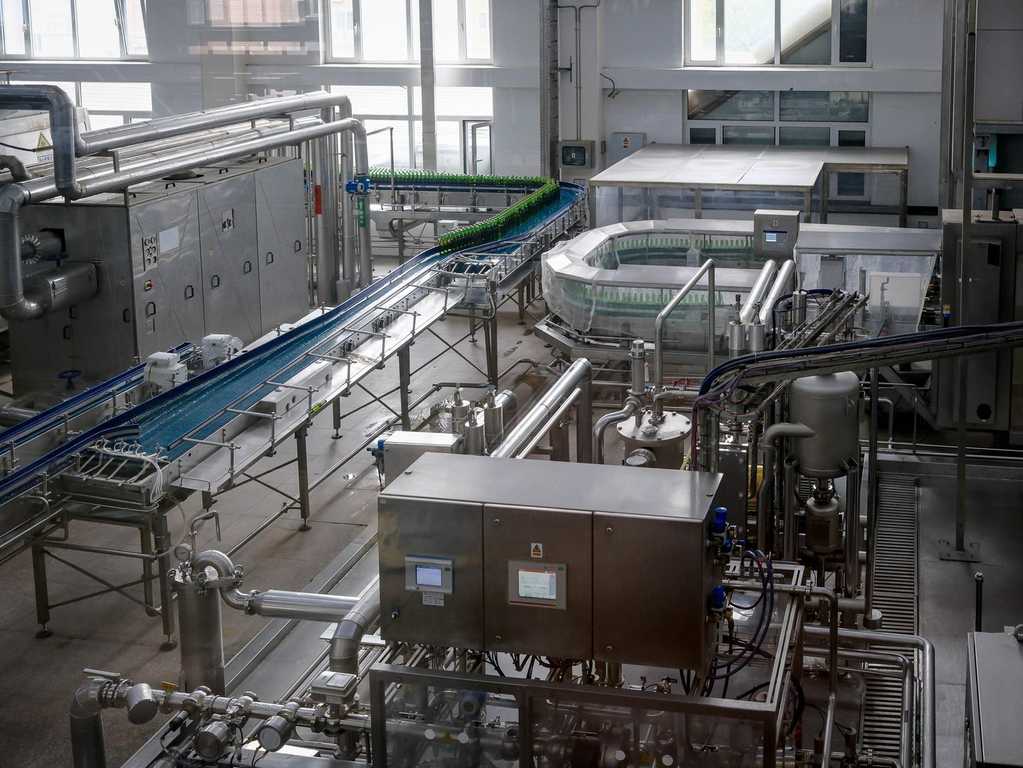
Labeling machines for food and beverage production
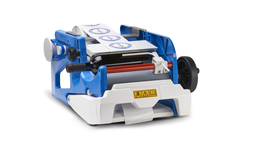
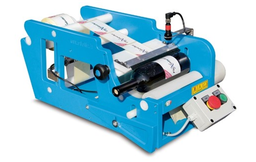
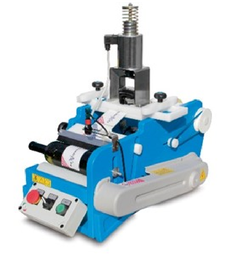
Labeling equipment, kits, spare parts and packaging materials for filling lines handling juice, wine, purees and other food products in glass and plastic containers. AR-TECH selects a solution to match your container, label type and line speed.
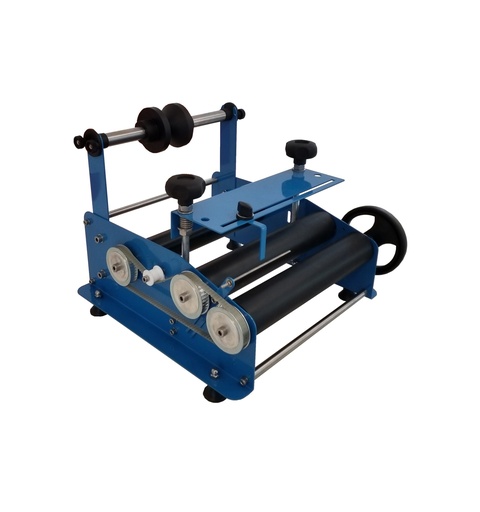
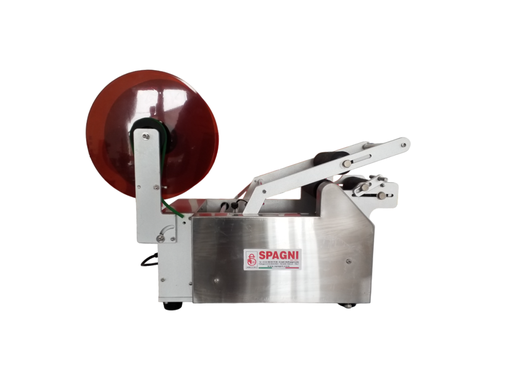
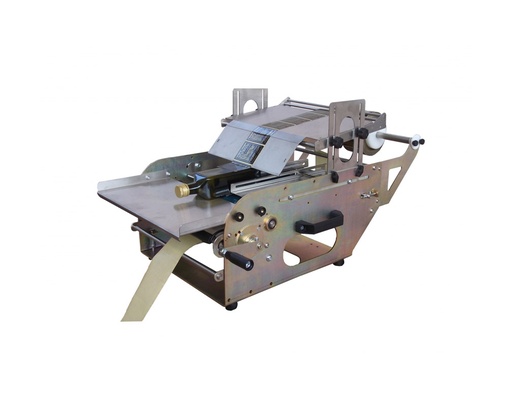
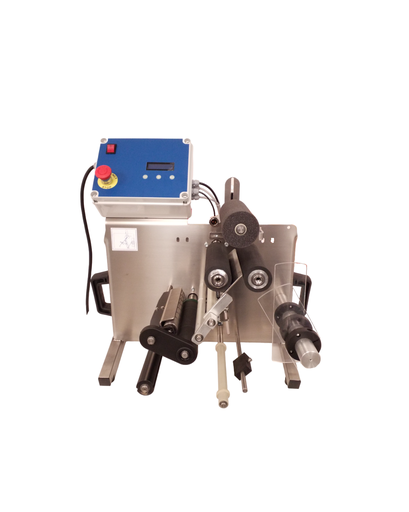
Equipment types
Applications and products
A labeling machine completes the filling line: once a container is filled and closed, it receives a label with the product name, ingredients, production date, barcode and the markings required by the market. This range suits producers of juices and nectars, wine and other beverages, fruit purees, sauces, jams and oils, that is, anyone packing product into glass bottles and jars or plastic containers.
The range has three groups: kits for labeling machines, spare parts for labeling machines and packaging materials. This lets you not only start labeling but also keep the machine running and keep the line supplied with consumables.
How labeling works: the stages
- Container feed. Filled and closed containers reach the labeler on the filling-line conveyor. The feed rate must match the output of the filler and the closing machine, otherwise the line idles or containers pile up.
- Separation and positioning. Bottles or jars are spaced at the required pitch and positioned relative to the labeling unit. The accuracy of this stage decides whether the label goes on straight.
- Label application. A self-adhesive label is peeled from its liner and transferred to the container, or a glue-applied label is used. The choice depends on label material, container shape and appearance requirements.
- Pressing and smoothing. The label is pressed onto the surface to remove air bubbles and wrinkles and ensure adhesion.
- Inspection and discharge. Labeled containers move on to packing. A missing or shifted label is best caught on the line rather than after cartoning.
A practical point well known in the industry: cold containers (for example after product cooling) form condensation, which weakens adhesion. Labeling is therefore placed in the line where the container surface is dry.
How to choose labeling equipment
- Container. Shape (cylindrical, tapered, rectangular), material (glass or PET) and the range of sizes you pack. If you run several container formats, quick changeover matters.
- Label type and count. Front, back, neck or wrap-around labels determine the configuration of the labeling units.
- Throughput. Match the speed of the filler and the closing machine so that labeling does not limit the whole line.
- Coding. Whether you need to print a date and batch on the label or the container, and by what method.
- Label rolls. Roll size, winding direction and core diameter must fit the machine.
- Sanitary conditions. For food plants, materials and design that are easy to clean after spills are important.
Kits, spare parts and packaging materials
Kits for labeling machines are the components needed to equip or retool a machine for a specific container. Spare parts for labeling machines shorten downtime when a part wears out. Packaging materials cover the line's need for consumables. Selection is made by machine model and your container, so please state the machine type and container parameters in your inquiry.
Why AR-TECH
- We manufacture machines under the HARVER brand and supply industrial equipment from the EU for processing agricultural produce.
- This range features the PROFRUIT and Spagni brands.
- We select equipment for your product, container and packing volume and prepare a commercial proposal.
- Labeling can be matched to the other stages of the line, such as fillers, closing machines and filling-line conveyors.
To request a proposal, send an inquiry through the contact form. See other ranges in Solutions and manufacturers on the Brands page.
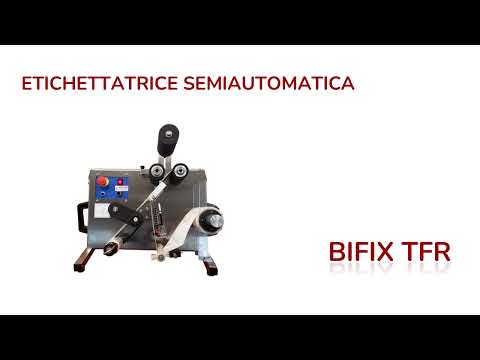
Equipment in action



Popular equipment in this direction
All products →
Manufacturers in this direction


Frequently asked questions
We will select equipment for your product and volume
Describe your task and we will prepare a solution and a quotation.
Send a requestФото: Biraven Crow (Pexels), Lucian Pirvu (Pexels), cottonbro studio (Pexels)