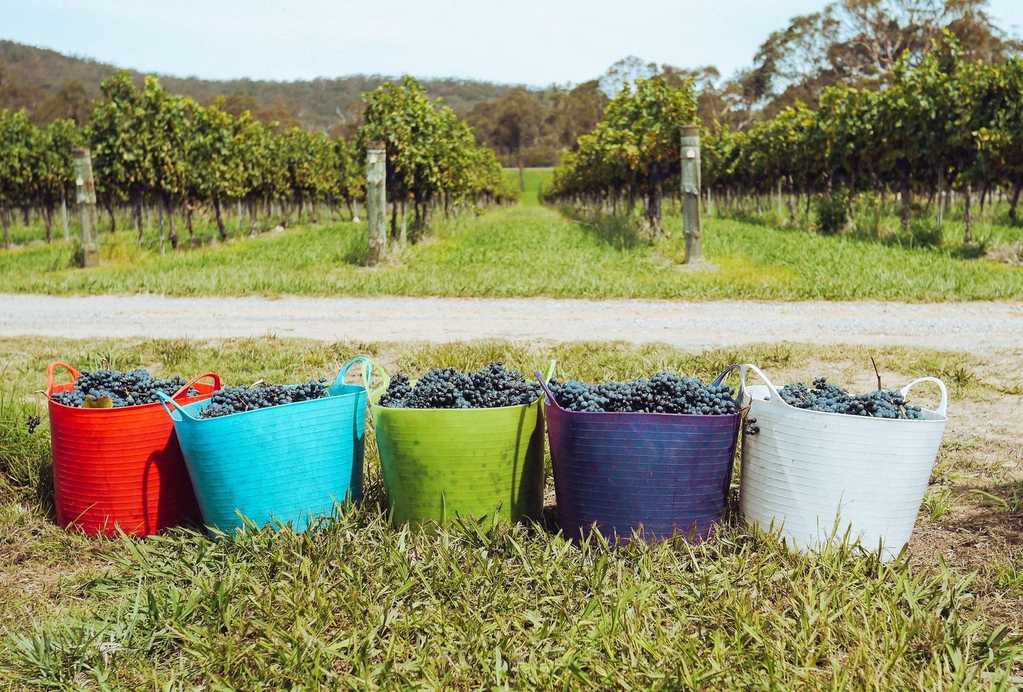
Winemaking Equipment
We select equipment for the whole cycle from grape reception to bottling: crushers, presses, tanks, filters, pumps, closing and filling machines. We supply Spagni, Enoitalia and Zottel equipment from the EU.

Equipment types
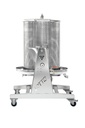
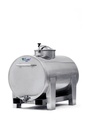
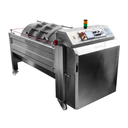
Tasks and products this range covers
The range is meant for wineries of different sizes, from a small cellar to an estate with its own vineyard. The equipment suits white, rosé and red wines and sparkling base wines, and also cider, juice and distillates where the same tanks, pumps and filters are needed.
The process, stage by stage
- Reception and sorting. Sorting tables and conveyors remove leaves, rotten fruit and foreign matter. The cleanliness of the raw material directly affects wine quality.
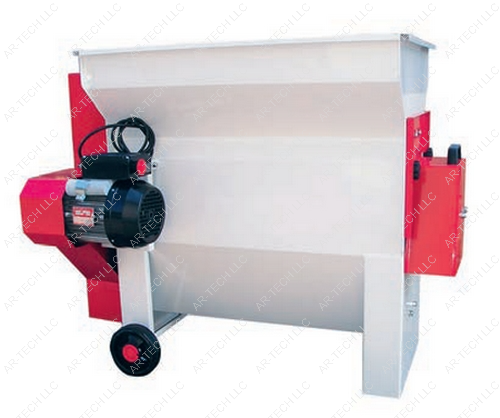
- Crushing. A crusher-destemmer breaks the berries and produces must with skins. For white wines the mass usually goes straight to pressing; for red wines it is left to macerate on the skins.
- Pressing. Grape presses, including hydraulic ones, separate the juice from skins and seeds. Pressing is kept gentle so that harsh phenolic components are not squeezed out.
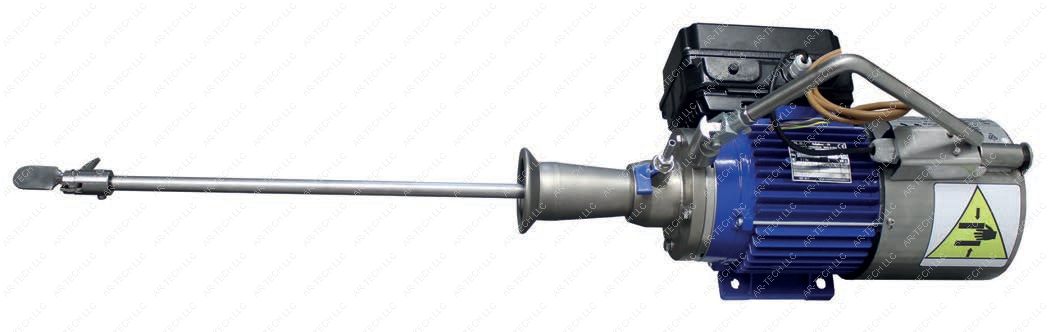
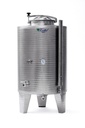
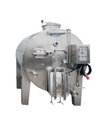
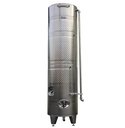
- Fermentation. Fermentation takes place in tanks: closed tanks, fermenters, tanks for crushed grapes. Agitators help control extraction from the skins. Variable-capacity tanks let you avoid headspace above the wine.
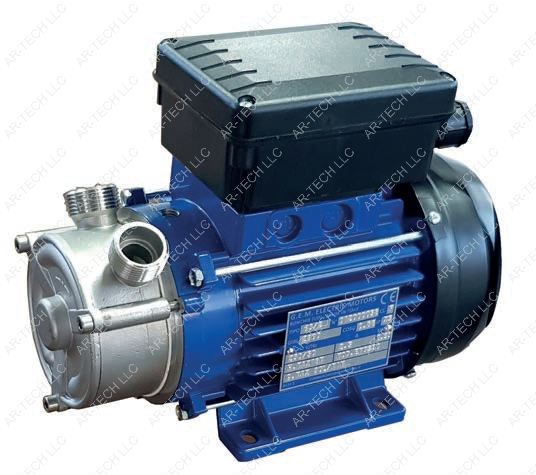
- Transfer. Pumps and drives move must, pomace and wine; the pump type is chosen by viscosity and the presence of solids.
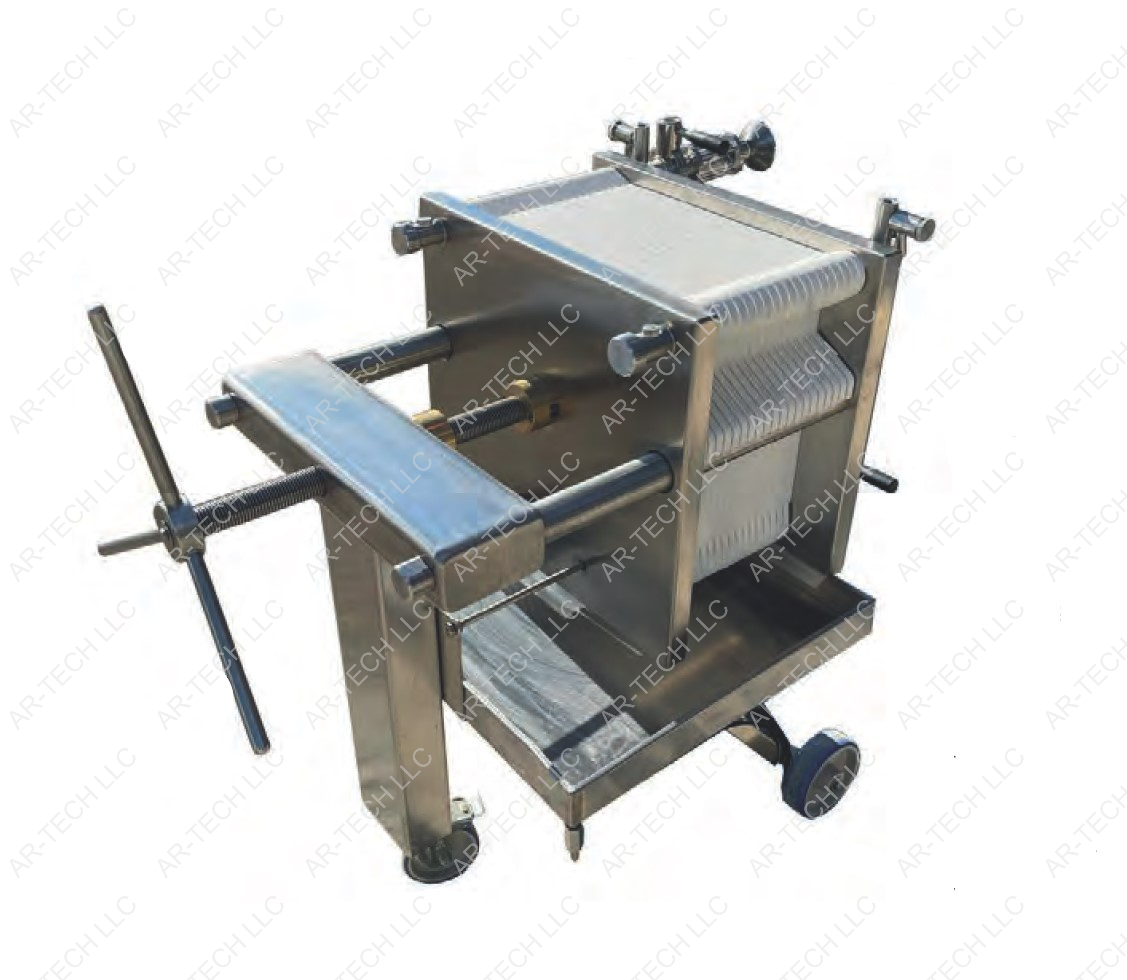
- Filtration. Filters clarify the wine and remove sediment before bottling.
- Heat treatment. Boilers and pasteurisers are for heating and stabilisation where the process calls for it.
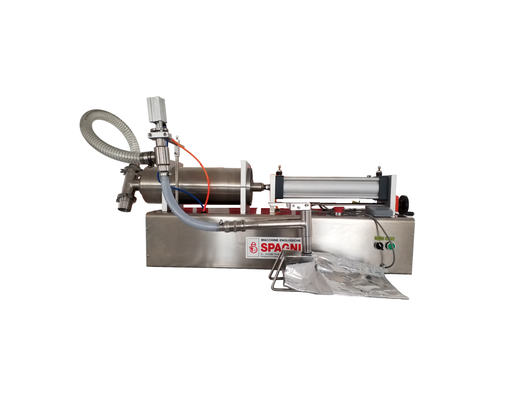
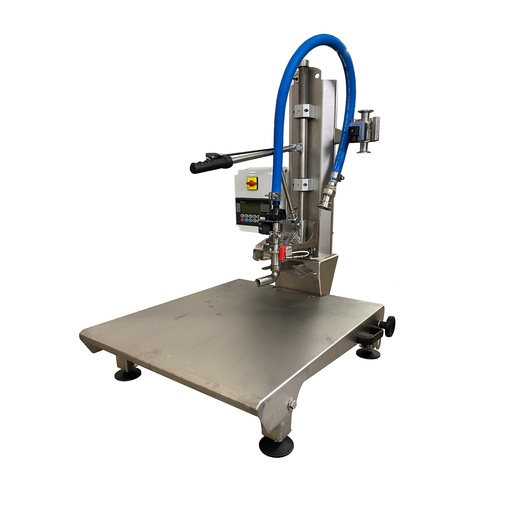
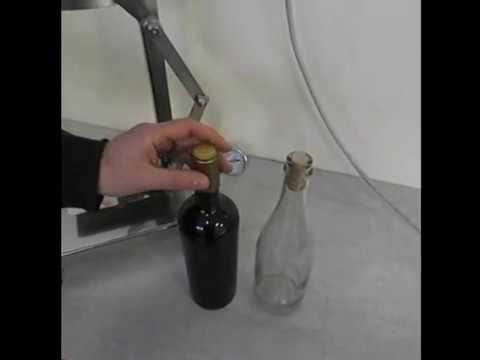
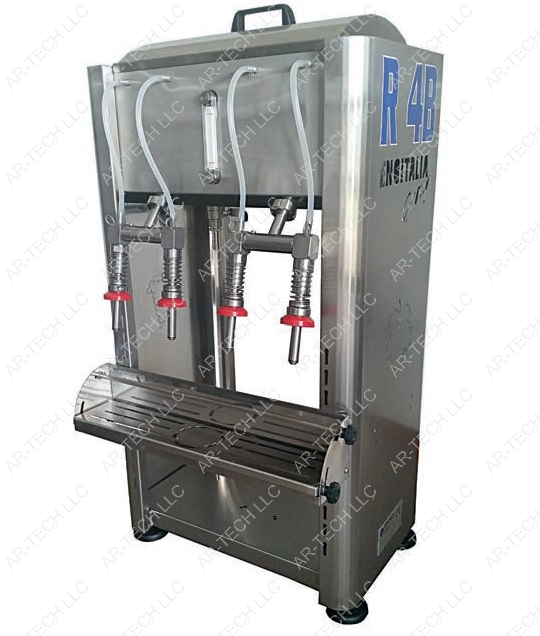
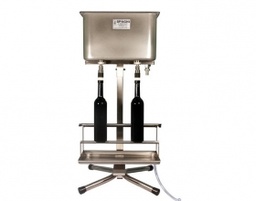
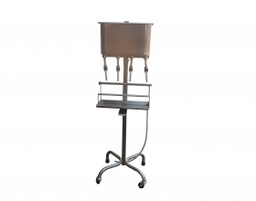
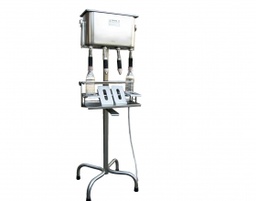
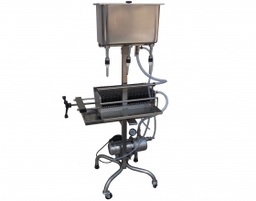
- Filling and closing. Fillers and dosers fill the bottles, and closing machines fit the cork or cap.
In the catalogue: Tanks (variable-capacity, closed, for must and pomace, fermenters, agitators, for distilleries, transport, special); Closing machines; Crushers; Grape presses; Hydraulic presses; Filters; Pumps and drives; Fillers and dosers; Sorting and conveying; Boilers and pasteurisers.
How to choose
- Raw material volume. Seasonal throughput sets press and crusher capacity and the total tank volume.
- Seasonality. Harvest lasts a limited time, so the bottleneck of the line is reception and pressing: size them with a margin.
- Wine type. White and red wines use the skins and the contact time differently; this affects the choice of tanks and agitators.
- Material. Stainless steel is usually chosen for contact with must and wine; we confirm the grade (AISI 304 or 316) based on how aggressive the medium is and the cleaning regime.
- Hygiene. Plan the cleaning of tanks, hoses and pumps; easy access to internal surfaces shortens downtime.
- Expansion. If you plan to grow output, leave a margin in tank volume and pump capacity.
A practical tip: the harvest season is short, so reception, crushing and pressing equipment must run without downtime. Check in advance that you have spare pumps and hoses and room for temporary storage of must and pomace. Before bottling the wine must be stable and clear, so design filtration together with the filler rather than after it. Allow for cleaning as well: clean tanks and lines are the basis of a healthy fermentation.
Why AR-TECH
- Our own manufacturing of machines under the HARVER brand for agricultural processing.
- Supply of equipment from the EU by Spagni, Enoitalia and Zottel.
- A set selected for your product and volume, and a commercial proposal.
Write to us on the contact page; the list of manufacturers is on the brands page.
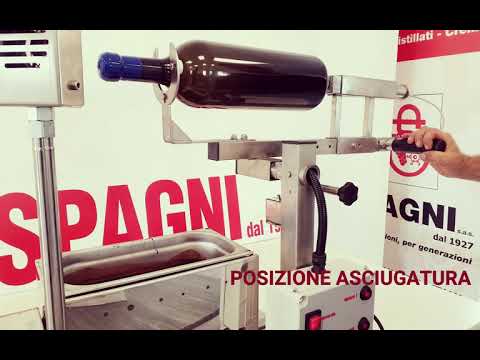
Equipment in action


Popular equipment in this direction
All products →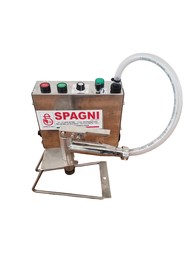
Manufacturers in this direction



Frequently asked questions
We will select equipment for your product and volume
Describe your task and we will prepare a solution and a quotation.
Send a requestФото: Grape Things (Pexels), Nico Becker (Pexels), ArtHouse Studio (Pexels)