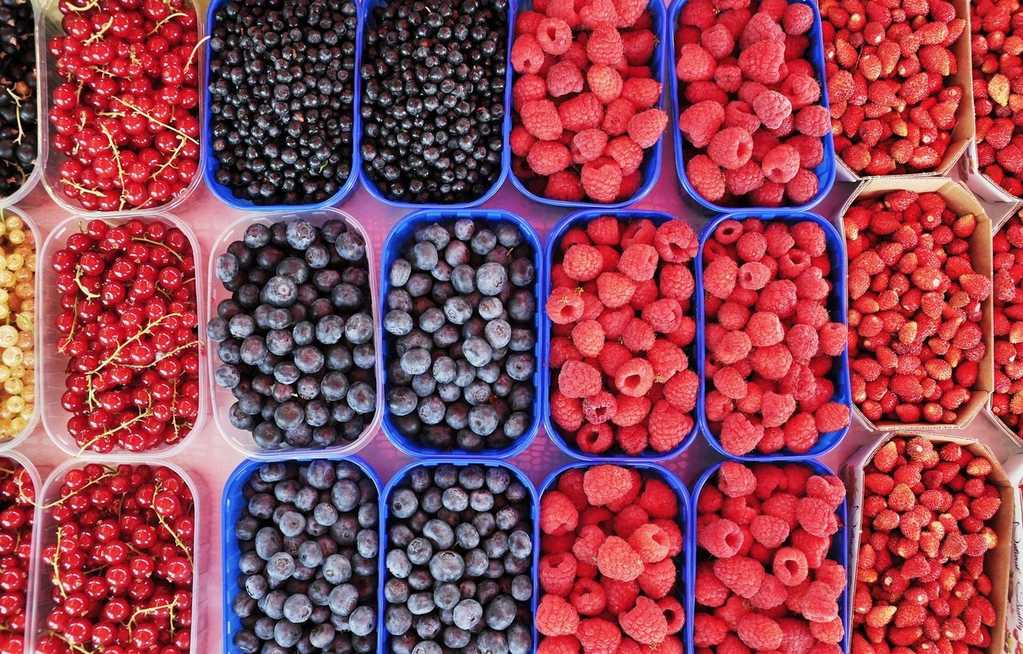
Fruit and Berry Processing Equipment
We select machines for primary fruit and berry processing: sorting, pitting, crushing, pulping and drying. Our own HARVER machines plus PROFRUIT and Enoitalia equipment from the EU.

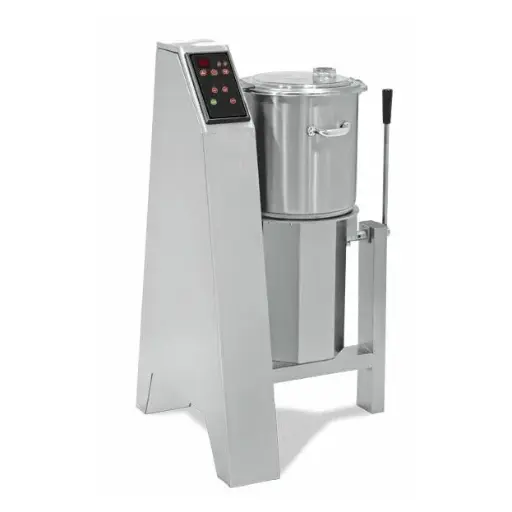


Equipment types
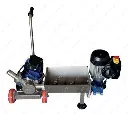
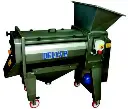
Tasks and products this covers
This area covers primary processing of raw fruit into a semi-finished or finished product: cherries, plums, apricots, peaches, berries, apples and pears. Typical outputs are puree, mash for juice, jam and preserves, fillings and dried fruit. For small and mid-size producers it matters that one line can handle several crops across the season.
Process stages
- Reception and sorting. Fruit moves along an inspection conveyor where rot, leaves and foreign matter are removed. The cleaner the raw material at the start, the fewer problems with the colour and taste of the final product.
- Pitting. Pitting machines are used for cherries, plums, apricots and peaches. Stones are removed before crushing: whole stones in the mash make the puree bitter and wear out working parts.
- Crushing. Crushers and mills prepare mash of the required particle size. For hard fruit such as apples, particle size affects juice yield; for soft fruit it sets the uniformity of the puree.
- Pulping. Pulping machines separate skins, seeds and fibre from the flesh. Screen hole size is chosen for the product: a finer screen gives a smoother puree but lowers yield.
- Heat treatment. For some crops the mash is heated before pulping, which softens the tissue and inactivates the enzymes that darken the product.
- Drying. Dryers turn fruit and berries into dried fruit. The regime depends on the crop and piece size.
How to choose equipment
- Raw material. Stone fruit, berries and pome fruit need different machines: cherries call for a pitter, raspberries for pulping that does not crush the seeds.
- Capacity. Size it to the peak daily intake in season, not the average; this decides how many machines run in parallel.
- Material. Product-contact parts should be food-grade stainless steel; acidic fruit is aggressive to ordinary materials.
- Sanitation. Check how quickly the unit comes apart for washing: seeds and flesh dry on surfaces and become a source of contamination.
- Expansion. Reserve space and power for the next stage: puree, juice or drying.
What to check before buying
Before ordering equipment, decide what product you want at the end: it determines whether heat treatment is needed, which screen to use and which packaging. A common mistake is buying machines by the capacity figure in the datasheet without allowing for the fact that soft berries and hard fruit are processed at different speeds. Another is failing to plan storage of mash and semi-finished product between stages: in season raw material arrives unevenly, so the line either stands idle or is overloaded. Also ask how quickly screens and wear parts can be replaced, because in season every hour of downtime means lost raw material.
Why AR-TECH
- Our own manufacturing of HARVER machines in Uzhhorod, Ukraine.
- Supply of EU equipment from PROFRUIT and Enoitalia.
- Configuration matched to your product, crop and volume.
- A commercial proposal for your specific line. To request one, send an enquiry; you can see the manufacturers on the brands page.
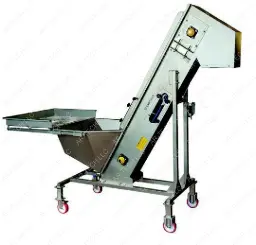
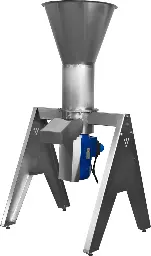
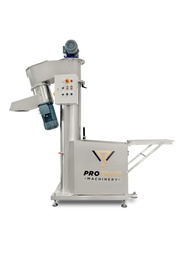
The catalogue for this area includes: pitting machines, crushers and mills, pulping machines, conveyors and sorting, and dryers.
Equipment in action


Popular equipment in this direction
All products →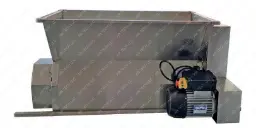
Manufacturers in this direction



Frequently asked questions
We will select equipment for your product and volume
Describe your task and we will prepare a solution and a quotation.
Send a requestФото: Alex Block (Unsplash), Elena Leya (Unsplash), Kyra Kleijnen (Unsplash)