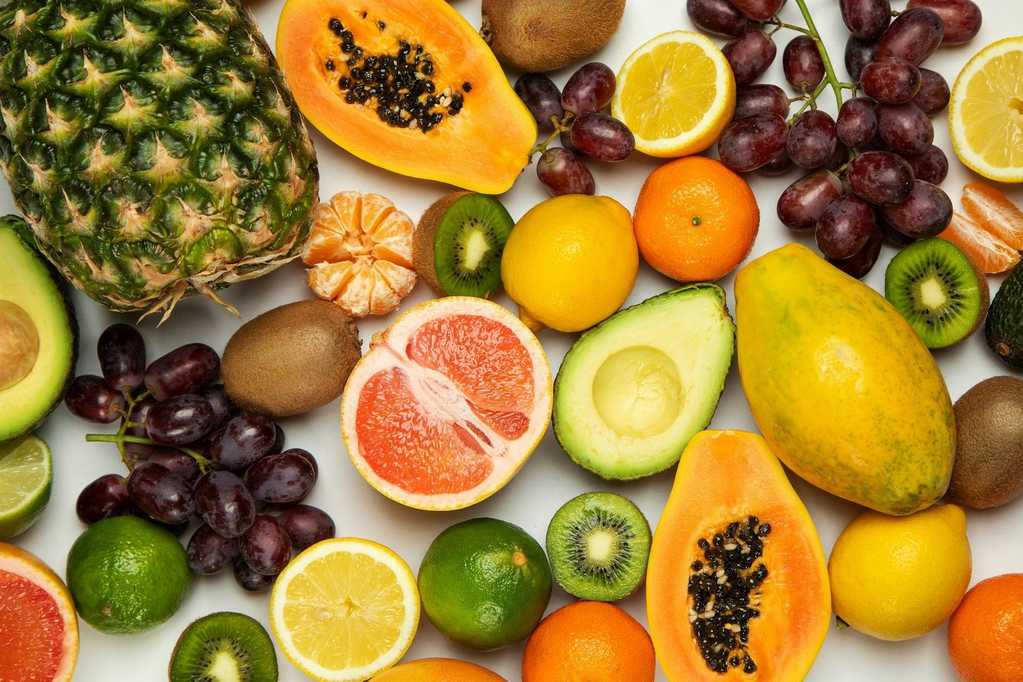
Juice and Puree Production Equipment
Equipment for fruit juice and puree production: pressing, filtration, heating, pasteurisation and filling, including Bag-in-Box. We supply PROFRUIT and Enoitalia equipment from the EU and match it to your product.


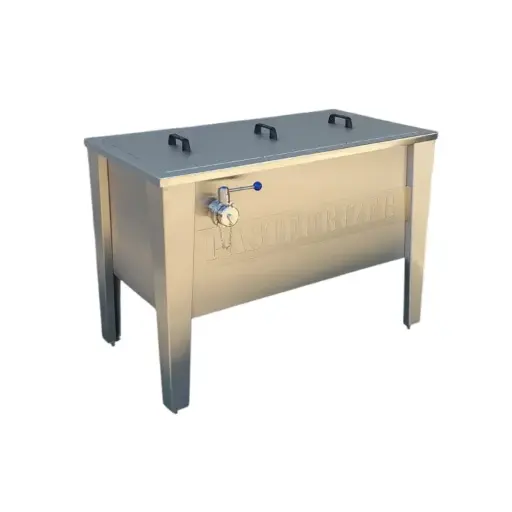
Equipment types
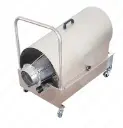
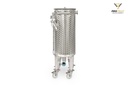
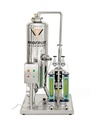
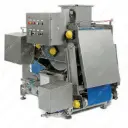
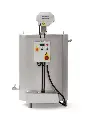
Tasks and products this covers
This area is for producers of natural juices, nectars, purees and fruit or berry drinks who want to pasteurise the product and fill it into containers for storage and sale. Typical formats: Bag-in-Box for HoReCa and industrial buyers, glass and PET bottles for retail.
Process stages
- Mash preparation. After washing and crushing (see the "Fruit and berry processing" area) the mash goes to pressing. For puree, pulping replaces the press.
- Pressing. Juice presses separate juice from the flesh. Yield and clarity depend on the crop and on how the mash was treated beforehand.
- Filtration. Juice filters remove suspended solids, which decides whether the juice is clear or cloudy with pulp. For juice with pulp, filtration is skipped or kept coarse.
- Heating and cooking. Kettles and cooking equipment are used to cook down puree, make syrups and prepare drinks and blends.
- Buffering. Juice tanks act as a buffer between stages. Juice should be held there only briefly and in a clean, closed volume so that it does not start to ferment.
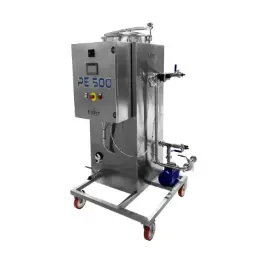
- Pasteurisation. Pasteurisers destroy microflora and inactivate enzymes. The product is heated to the required temperature, held and cooled; the regime depends on acidity and the filling method.
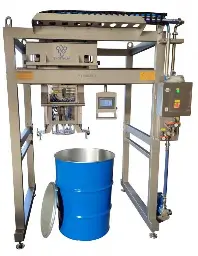
- Filling. Dosing equipment fills Bag-in-Box or bottles, closing machines seal the container, and filling-line conveyors move it between operations.
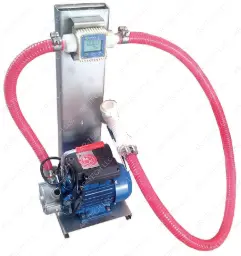
Between stages the product is moved by pumps: thin juice and thick puree need different pump types, so the pump is chosen by viscosity.
How to choose equipment
- Product. Clear juice, juice with pulp and thick puree have different viscosities, hence different filters, pumps and dosers.
- Capacity. The bottleneck sets the real capacity of the line; the pasteuriser and the filler must be matched to each other.
- Container format. Bag-in-Box, glass bottles and PET need different fillers and closing.
- Material. Acidic juices call for food-grade stainless steel; the grade is chosen to suit the product.
- Sanitation and CIP. Check whether the line can be rinsed in place without disassembly, and how quickly units come apart.
- Seasonality. If raw material arrives in a short season, tanks and pasteurisation must cover the peak.
What to check before buying
Start from the product and the container, not from a single machine: they determine the pasteurisation regime, the filler type and the tank requirements. A common mistake is to size the pasteuriser and the filler to different capacities, so that one machine idles waiting for the other. Plan cleaning separately: after juice with pulp and after puree the line must be rinsed thoroughly, which costs time and water. If you plan several products, check how quickly the line is changed over from one to another, and whether the container can be changed without replacing the main equipment.
Why AR-TECH
- Supply of EU equipment from PROFRUIT and Enoitalia.
- Our own manufacturing of HARVER machines, which complements the line at the primary processing stage.
- Selection for your product, container format and volume.
- A commercial proposal for the line. Send an enquiry, and see the manufacturers on the brands page.
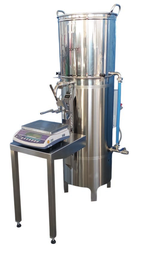
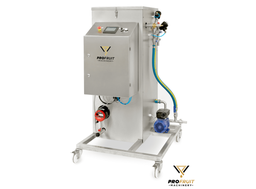
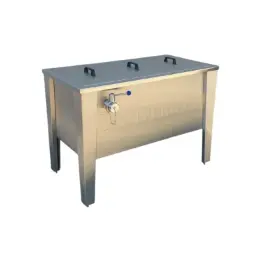
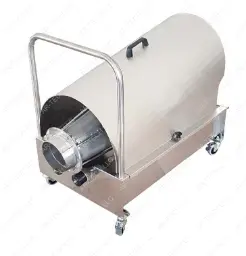
The catalogue for this area includes: pasteurisers, juice presses, filling and dosing equipment (Bag-in-Box, bottles, closing, filling conveyors, pumps, auxiliary), juice tanks, kettles and cooking equipment, juice filters and pumps.
Equipment in action


Popular equipment in this direction
All products →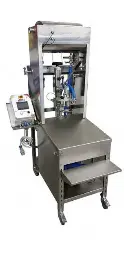
Manufacturers in this direction


Frequently asked questions
We will select equipment for your product and volume
Describe your task and we will prepare a solution and a quotation.
Send a requestФото: Julia Zolotova (Unsplash), Jugoslocos (Unsplash), Zlatko Đurić (Unsplash)